
Naiveté and Norms
An excellent example of misapplying legacy standards is the reaction to Donald Trump’s initial foreign policy moves. He has been mocked for displaying a supposed naiveté when talking to other foreign leaders and pilloried for taking a phone call from Taiwan’s president. These critiques assume that the legacy norms of national security and international relations are immutable. But a challenge is overdue to how things have always been done in international relations. In my career in the national security field, I was increasingly frustrated by assumptions that I thought clouded thinking on foreign affairs. For example, strong nation states are destined to compete with each other, so the United States and China are locked into a battle for global dominance. Or, that all nation states have natural enemies they must guard against. I often wondered how we could rethink national security if we assumed the world was full of not enemies, but of peer societies trying to navigate reality as best they can. I know that sounds naïve, but I in turn think it’s foolish to assume that it always has to be the way it always has been.
Whenever the strikingly new emerges, the defenders of the establishment use their old measuring sticks to judge the actions of the inexperienced pretenders
The legacy norms of an international relations system dominated by superpowers and their spheres of influence have been particularly difficult for smaller and midsize nations. Countries such as New Zealand, Morocco, Kenya, and even Canada have no pretensions to world dominance. But over the years they’ve been pressured to pick sides and follow the rules set by world powers. It’s as if they were forced to join the world’s most tyrannical homeowner’s association.
I’m not suggesting that Donald Trump has set out to systematically rethink international norms. I’m pretty sure he hasn’t. But I also believe he is in no mood to blindly follow precedent. In some areas — such as nuclear proliferation — this disregard for established norms can be dangerously destabilizing. But no matter the scenario, analysts need to pay close attention to what the new administration is actually doing and abandon expectations that it will or should follow the legacy rulebook.
Americans Have Spoken?
As for the election results themselves, conventional wisdom has it they represent a populist revolt by American voters. That assertion makes for a compelling storyline that is nevertheless probably more fiction than fact. First, of course, is the inconvenient fact that 2.8 million more Americans voted for Hillary Clinton than Donald Trump. And, more revealing, many voted for Donald Trump despite their misgivings about his views, and even his character. Almost 25% of Trump voters said he didn’t have the temperament to be president. They chose what they perceived to be the better of two bad choices.
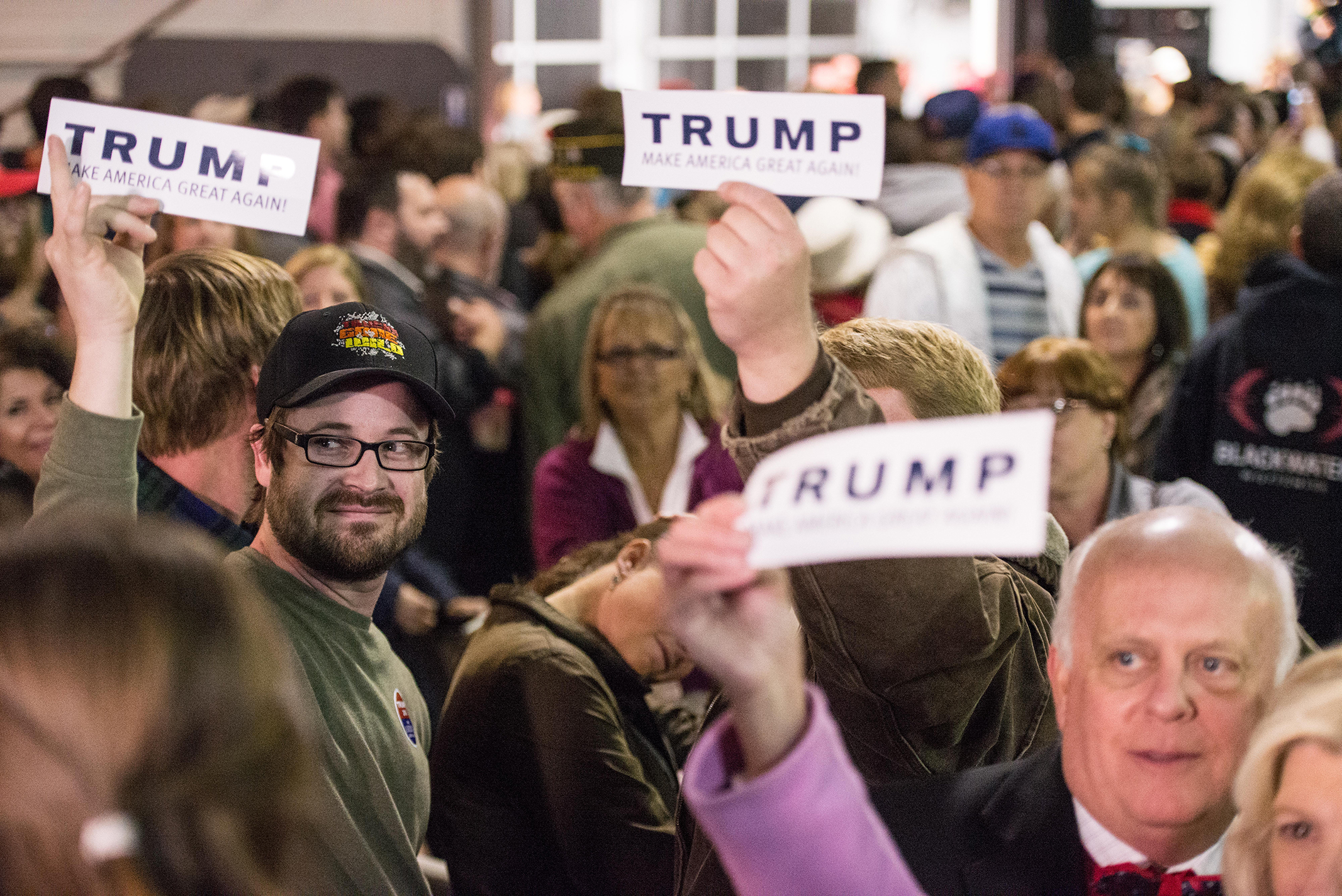
But even the most reluctant Trump voter would agree that the property mogul was choosing to tear up the rulebook. Critiques that charge Trump with not following the established rules internationally or in domestic affairs are missing the point. Trump promised to be different, and keeping that promise is key to keeping the support of more than 40% of the American electorate. Conventional behavior would be his downfall.
It would be surprising, therefore, for Donald Trump to eventually give up his personal social media accounts. He has and will continue to be strongly pressed to do so by lawyers, not to mention by intelligence and security experts worried that his frequent comments will be too revealing of the President’s mindset and his intentions. But I expect Trump to largely have his way, which will inject a new and troubling dynamic into the US’s vaunted system of checks and balances. Many argue that the other two branches of government – Congress and the Supreme Court — will prevent a Trump administration from acting recklessly or even extralegally. But I wonder exactly how that would work if President Trump uses social media to set the tone for public discussion and to preempt criticism. At a minimum, the other two institutions will need to reconsider how to compete in a public arena informed through social media and real-time chatter. It is hard to imagine the US Supreme Court presenting legal clarifications through a Twitter handle, and yet if it doesn’t it will be vulnerable in the court of public opinion. The old ways are unlikely to suffice.
